Volume & Issue: Volume 8, Issue 3, Spring 2025 
Number of Articles: 19

Determination of Fe(III) ion with a novel, highly efficient immobilized nitrosa R-salt in a polymer matrix

Pages 448-459

https://doi.org/10.22034/crl.2025.496212.1505

M. B. Kholboyeva, Z. A. Smanova, U. A. Madatov, S. B. Rakhimov, B.T Orzikulov, Abror Karim ugli Nomozov, M.R Uralova

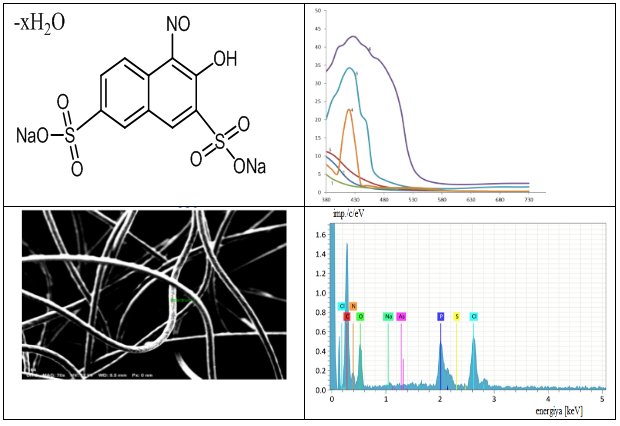
Abstract In this paper, nitrosa R salt immobilized on PPF matrix was used as an analytical reagent for the determination of Fe(III) ion. The advantage of the proposed method over existing methods is the local synthesis of the carrier sorbent used and the higher analytical parameters for the determination of Fe(III) ion (Sr=0.05, Cmin=0.2μg/l). In order to assess the accuracy of the method, the t-criterion and F-criterion were compared with the tabular data (Texperiment=1.09; ttable=2.83, Fexperiment=2.52; Ftable=4.47). When determining Fe(III) using nitrosa R salt used for immobilization in acetate buffer solution at pH=5.5, the obtained complex gave a maximum analytical signal at a wavelength of 720 nm. The linear binding obeys the Beer-Lambert-Beer law in the range of 0.2-2 μg/ml. Under selected conditions, common coexisting ions usually do not interfere with the determination of iron ions in water samples. The proposed method is simple, economical, rapid, sensitive, accurate and highly selective, and can be used to determine the iron content in various water samples without prior treatment..
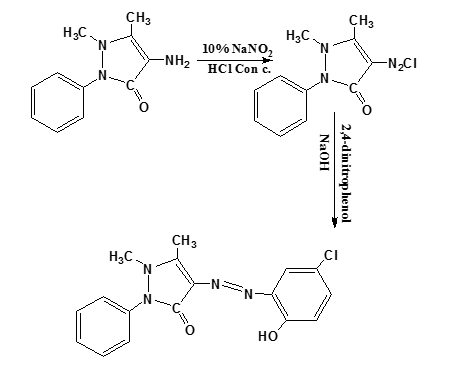
Synthesis, structural characterization, biological evaluation and industrial application of (E)-4-((5-chloro-2-hydroxyphenyl)diazenyl)-1,5-dimethyl-2-phenyl-1H-pyrazol-3(2H)-one and its metal complexes

Pages 460-468

https://doi.org/10.22034/crl.2024.490959.1480

Abaas Obaid Hussein, Yahya F Al-Khafaji, Zahra Mohammed Abbas, Takialdin A.Himdan

Abstract The reaction of 1,5-dimethyl-2-phenyl-1H-pyrazol-3(2H)-one with one equivalent of 4-chlorophenol by coupling reaction afforded (E)-4-((5-chloro-2- hydroxyphenyl)diazenyl)-1,5-dimethyl-2-phenyl-1H-pyrazol-3(2H)-one. Then azo ligand was characterize using spectroscopic studies ( FTIR,UV-Vis, 1H and 13CNMR, Mass) also micro-elemental analysiz (C.H.N.O). Transition metal chelation with Co(II), Ni(II), Cu(II), and Zn(II) was investigated, revealing 1:2 metal-to-ligand stoichiometry with octahedral geometry. The biological, and industrial application for the azo ligand and it is complexes were evaluated,
demonstrating antimicrobial activity against bacterial and fungal strains, with the Zn(II) complex exhibiting superior inhibition. Additionally, the prepared compounds were applied as dyes for cotton fabrics, showcasing excellent stability
and vibrancy under testing conditions. The study highlights the dual functionality of these compounds in biological and industrial applications.

Development of a method for cyclic voltametric determination of copper (II) ions in the composition of technological objects

Pages 469-481

https://doi.org/10.22034/crl.2025.489869.1483

Davron Polvon o‘g‘li Kuronboyev, Mariya Faizullakyzy Faizullayeva, Nigora Khakimovna Kutlimurotova, Dilnoza Ismailova, Jasur Baxtiyorovich Tursunqulov, Nigora Sharafiddinovna Zulyarova, Aziza Abdirahmonova

Abstract The use of heteroatom organic reagents, such as 5-(o-aminophenyl)-1,3,4-oxadiazole-2-thione, is important in developing selective and sensitive methods for the detection of Cu2+ ions. For this purpose, the use of cyclic voltammetric analysis, one of the electrochemical analysis methods, leads to high selectivity. Optimal conditions for CV determination of Cu2+ ion with 5-(o-aminophenyl)-1,3,4-oxadiazole-2-thione reagent: found that the linear dependence of the analytical signal on the metal ion concentration at an electrode scanning speed of 50 mV/s in ethyl alcohol solvent is 1.12-9.4 ppm/l. It has been proven that the formation of a complex between an organic reagent and a metal ion on the electrode surface occurs within 6 seconds using chronoamperometric and integral pulse amperometric methods. The half-wave potential of the organic reagent was found to be 0.48 V, and that of the complex formed by the Cu²⁺ ion was 0.65 V, with the potential shifting to the positive side proving the formation of a complex. From the CV of the complex, it was determined that the anodic and cathodic diffusion coefficients were Dox=2.59*10-6sm2/s; Dred=2,354*10-10sm2/s. The fact that the determination of copper(II) ion is not interfered with by Cd(II), Zn(II), and Pb(II) cations in a 1:1 ratio indicates that the developed method has a high selectivity. The developed method found a lower detection limit of copper(II) ion of 1.12 μg/ml. The accuracy of the method was compared with the atomic absorption method, and the calculated Student's coefficient of 2.43 and Fisher's value of 6.37, which are smaller than the values in the table, prove that the accuracy of the method is high. The developed CV method for determining Cu2+ ions was applied to the analysis of process water at the Almalyk Mining and Metallurgical Combine, and the relative standard deviation not exceeding 0.0145 indicates the high accuracy of the method.

Optimization the Extraction Efficiency of Phenolic Compounds from Cannabis sativa L. by products using Augmented Simplex-Centroid Design

Pages 482-492

https://doi.org/10.22034/crl.2025.494845.1498

Saadia Rais, Chaimae Slimani, Mouhcine Fadil, Aymane Bessi, meryem Ettamimi, lahsen El Ghadraoui, Chaimae Rais, Elaouazna Bouchamma

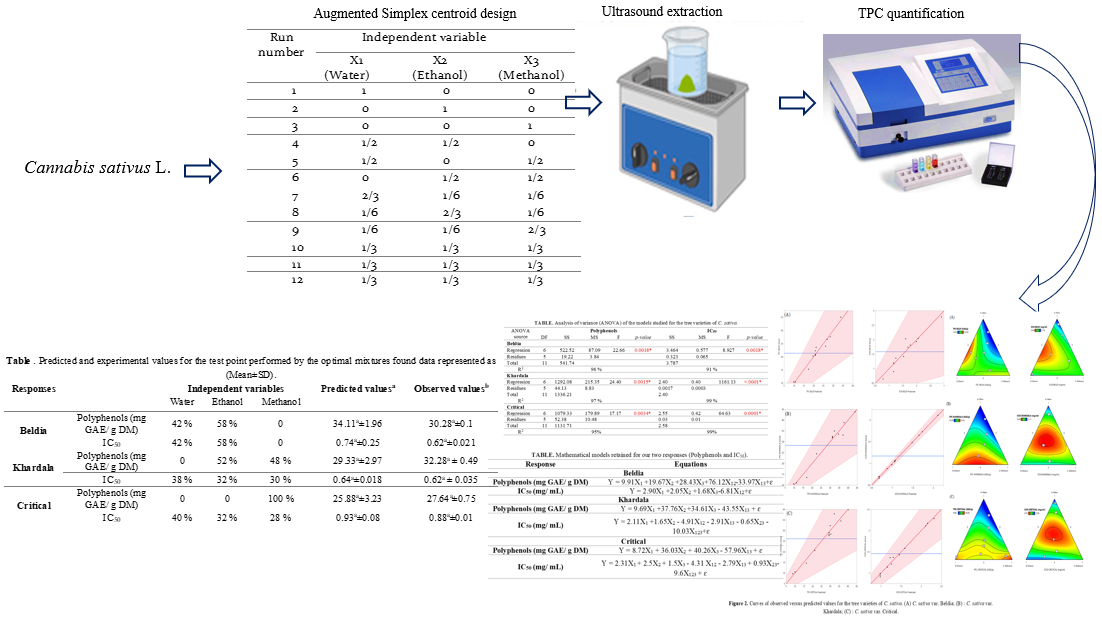
Abstract Cannabis sativa L. holds significant potential for treating a range of medical conditions, including chronic pain, epilepsy, multiple sclerosis, and nausea caused by chemotherapy. Ongoing studies continue to uncover new therapeutic uses for cannabis and its derivatives. The present study focused on optimizing the extraction of phenolic compounds and evaluating antioxidant activity from the by-products of three C. sativa varieties-Beldia, Khardala, and Critical-collected from the Taounate region in Morocco. An augmented simplex-centroid design was applied, utilizing a solvent mixture of water, methanol, and ethanol. Total phenolic content (TPC) and antioxidant activity were measured using the DPPH assay, with extractions carried out via sonication. The optimal solvent combinations for maximizing TPC and antioxidant activity were determined for each variety. For Beldia, the most effective mixture-42% water and 58% methanol-yielded a TPC of 30.28 mg GAE/g dry matter (DM) and an IC₅₀ of 0.62 mg/mL. In Khardala, the highest TPC (32.28 mg GAE/g DM) was obtained using 52% ethanol and 48% methanol, while the best antioxidant activity (IC₅₀ = 0.62 mg/mL) was observed with a ternary mixture of 38% water, 32% ethanol, and 30% methanol. For the Critical variety, pure methanol led to the highest TPC (27.64 mg GAE/g DM), whereas a mixture of 40% water, 32% ethanol, and 28% methanol provided the most notable antioxidant activity with an IC₅₀ of 0.88 mg/mL.

Synthesis and investigation of the properties of the nickel, cobalt and phosphorus catalysts

Pages 493-497

https://doi.org/10.22034/crl.2025.484628.1456

Kamila Kh. Rashidova, Zukhra Z. Yakhshieva, Ali Zalov, Nuriddin T. Kattaev, Khamdam I. Akbarov, Anvar A. Bakakhonov, Gulomjon  N.  Sharifov

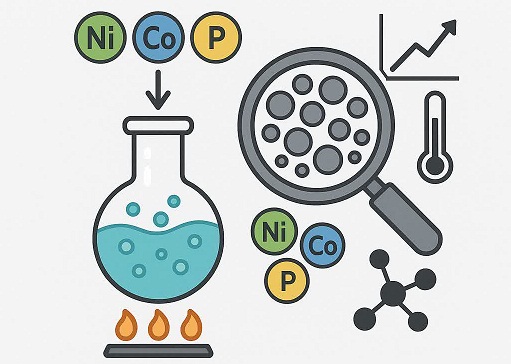
Abstract Nowadays, scientists around the world are paying more attention to renewable hydrogen fuels. There is a growing need for precious metal catalysts to calculate the cost of obtaining renewable energy, an efficient method of producing H2 by electrolysis of water, as well as to facilitate the decomposition of water into its elemental parts. Today, due to the increase in the problem of the shortage of energy resources and the growing of CO2 emissions into the atmosphere, attention is being paid to hydrogen energy. However, the production of H2 requires low-cost, efficient catalysts that facilitate hydrogen/oxygen separation reactions in the water splitting. For this purpose, intermediate metal phosphides (Fe, Co, Ni, Cu, Mo, W) were used as effective electrocatalysts for water decomposition. The catalytic activity of intermediate metal phosphides to form hydrogen is largely dependent on the phosphorus content, but the P atoms play an important role in increasing efficiency. The production of hydrogen by electrolysis of water on the basis of bifunctional catalysts has good prospects for use in the energy industry. In the article, the one-step hydrothermal synthesis method and physico-chemical (electronic structure and conductivity, structure morphology) of double metal phosphide with NixCuyPz composition were studied.

Halosulfenylation of indoles: A review

Pages 498-508

https://doi.org/10.22034/crl.2024.480280.1429

Ahmed Kareem Obaid Aldulaimi, Ayat Husein Adthab, Shakir Mahmood Saeed, Morug Salih Mahdi, Aseel Salah Mansoor, Usama Kadem Radi, Nasr Saadoun Abd

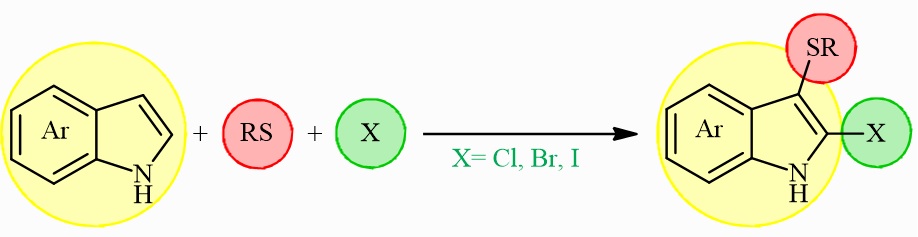
Abstract The direct vicinal difunctionalization of heteroarenes has emerged as a powerful approach for rapid increase of molecular complexity in one synthetic step. In this context, halosulfenylation of indoles have recently observed considerable attention not only because of diverse biological activities of thioindoles, but also because of usefulness of carbon-halogen bonds for further synthetic transformations using different convenient reactions. In this Focus-Review, we summarize the available literature on this novel and rapidly growing research topic by hoping that it will serve to stimulate further research and thinking in this area.

Study on the interaction of Olmesartan with human serum albumin (HSA) by spectroscopic and molecular docking techniques

Pages 509-516

https://doi.org/10.22034/crl.2025.494168.1492

Monir shalbafan, Mahdieh Sadeghpour, Abolfazl Olyaei

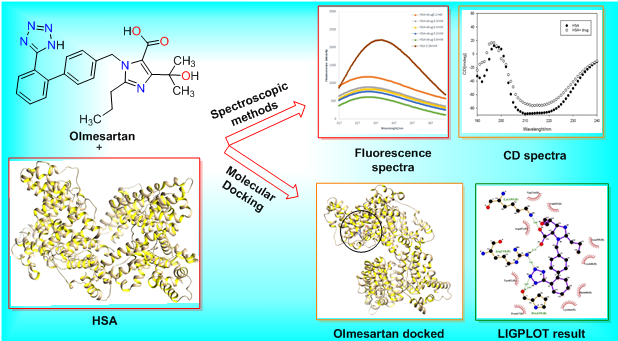
Abstract This study aims to investigate the interaction of olmesartan drug with human serum albumin (HSA) using fluorescence, circular dichroism (CD) spectra and molecular docking techniques under physiological conditions. Fluorescence quenching of HSA by olmesartan indicated that a moderate binding affinity (Ka = 3305 M‒1) and spontaneous reaction between olmesartan and HSA obtained in phosphate buffer (0.05 M) and pH 7.4 at 25° C. The CD results revealed a decrease in the α-helical content of HSA from 61.1% to 59.2% with the addition of olmesartan, indicating that olmesartan binding induces changes in the secondary structure of HSA. The study of molecular docking also indicated that the optimal binding site for olmesartan on HSA is located in the IIA and IIB subdomains. Thermodynamic analysis and molecular docking results suggested that the binding of olmesartan to HSA is dominated by hydrophobic interactions and hydrogen bonds. Also, olmesartan formed hydrophobic interactions with Trp214, Asp451, Tyr452, and Asn295, and established five hydrogen bonds with Lys195, Arg218, and Pro339. However, theoretical and experimental findings demonstrated excellent agreement.

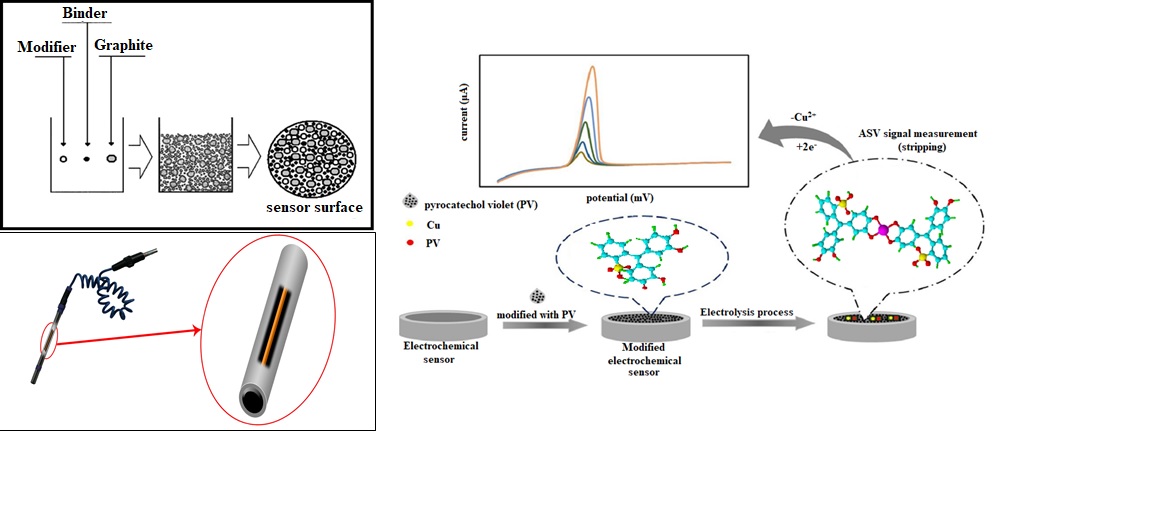
Stripping Voltammetric Determination of Copper Ions Using a Graphite-Based Electrochemical Sensor Modified with Pyrocatechol Violet

Pages 517-526

https://doi.org/10.22034/crl.2025.495115.1500

Qudrat Boqiyev, Maqsud Sayfiyev, Makhsuda Nazarova, Dilshod Ziyaev, Uchkun Ruzmetov, Zulayho Smanova

Abstract In this research, a sensitive and selective electrochemical sensor (ES) based on graphite modified with pyrocatechol violet (PV) was developed for the anodic stripping voltammetric (ASV) determination of Cu(II) ions. The optimal conditions for modifying the electrode with PV were determined: the best results were obtained using an electrochemical sensor prepared by modifying 2.0 g of graphite powder with 4.0 mg of PV at a temperature range of 60–70°C. The optimal conditions for the ASV determination of Cu(II) ions using the ES were identified as follows: Britton Robinson buffer solution with a pH of 5.0–5.5, a supporting electrolyte of 0.1 M HNO3, and an accumulation time of 100 seconds on the electrode surface. The limit of detection for the Cu2+ ion was determined to be 0.04 ppm, and the closeness of the obtained results was confirmed by a correlation coefficient close to 1. The working surface area of the electrochemical sensor (MES) modified with pyrocatechol violet was determined to be 0.2 cm2, and its working potential range was found to be from -1.8 V to +1.5 V during the experiments.

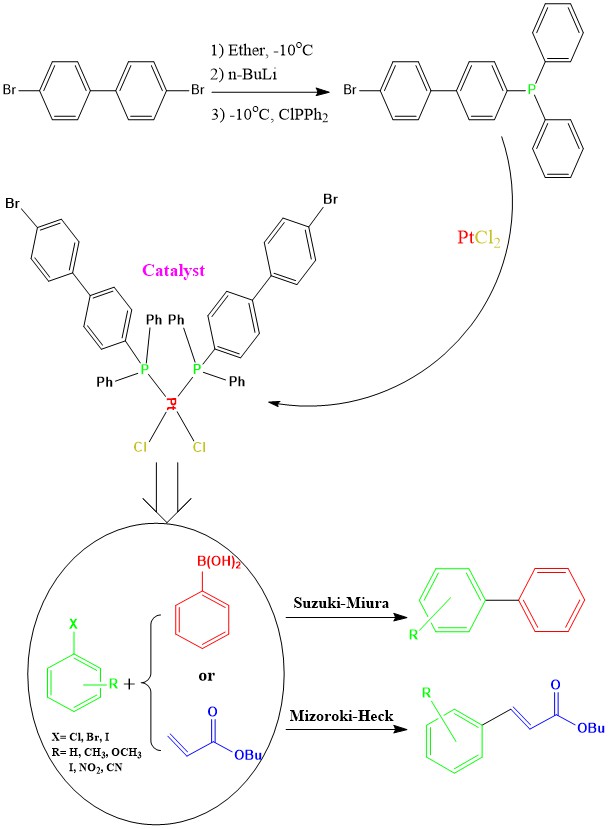
Preparation, characterization and structural study of a dichlorobis (4’-bromobiphenyl-4-yl)diphenylphosphine platinum(II) complex and checking the catalytic activity under optimal conditions

Pages 527-535

https://doi.org/10.22034/crl.2025.495401.1502

Farhang Hamedi, Ali Naghipour, Saeid Taghavi Fardood

Abstract In this article, potassium tetrachloroplatinate(II), K2PtCl4, has reacted with an organic ligand [L: Br(C6H4)2P(C6H5)2] and created the complex PtCl2L2 (yield= 87% and Melting point= 215-217°C), then this compound with different techniques including FT-IR, 1H, 31P, 13C and 195Pt-NMR spectroscopy have been identified. Spectral analysis showed that the desired complex was synthesized with trans structure. In the following, the catalytic activity of this compound has been investigated by performing Suzuki and Heck coupling reactions for various aryl halides under optimal conditions including temperature, type of solvent, type of base, different amounts of base and different amounts of catalyst. The obtained results have shown the remarkable catalytic activity of this complex for the synthesis of the expected products.

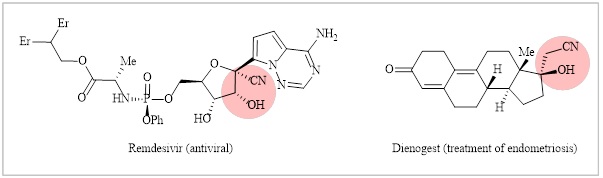
Direct vicinal cyano- and nitro-hydroxylation of alkenes: A review to construction of the biologically and synthetically β-functionalized alcohols

Pages 536-546

https://doi.org/10.22034/crl.2025.514953.1571

Garay S. Mirzoyev, Lala V. Guliyeva, Farida R. Guliyeva, Otabek Shodievich Ochildiev, Priyanshu Verma

Abstract Direct vicinal hydroxy-functionalization of alkenes allows the atom- and stepeconomical and original construction of biologically and synthetically important βfunctionalized alcohols from inexpensive and abundant feedstock chemicals. In this context, synthesis of versatile β-hydroxy nitriles and β-nitro alcohols through the direct vicinal cyano- and nitro-hydroxylation of alkenes has recently attracted considerable attention from organic and bioorganic synthetic communities due to their straightforward manner as well as easily accessible starting materials. This review highlights up-to-date developments in this exciting research field with special emphasis on the mechanistic aspects of the reactions.The resulting βfunctionalized alcohols frequently exhibit potent biological activity and serve as key intermediates in the synthesis of pharmaceuticals and other bioactive molecules.

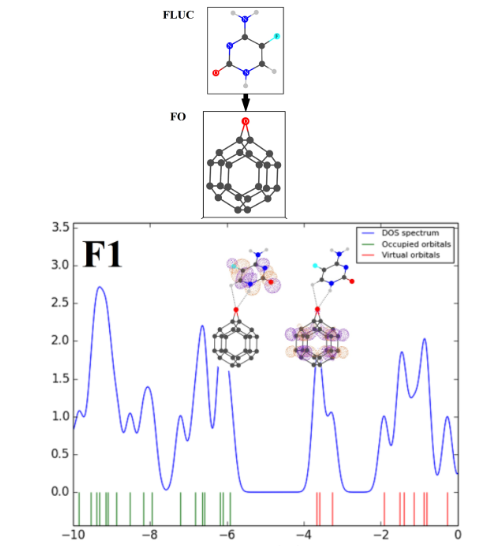
Computational assessments of 5-Fluorocytosine (Flucytosine) antifungal adsorption onto a fullerene oxide nanocage for engineering a potential drug delivery platform

Pages 547-554

https://doi.org/10.22034/crl.2025.512441.1561

Mohamed Jamal Saadh, Chou-Yi Hsu, Radhwan Abdul Kareem, Afet Mastan Jafarova, Amirhossein Zareii, Maryam Edalat, Mahmoud Mirzaei

Abstract Computational assessments of 5-Fluorocytosine (Flucytosine); so called FLUC, antifungal adsorption onto a fullerene oxide (FO) nanocage was done in this work for engineering a potential drug delivery platform. The formation of interacting FLUC@FO conjugated systems yielded two conformations and the structural and electronic features were evaluated to discuss the adsorption processes. Density functional theory (DFT) computations were done to obtain the required information. The results indicated that the idea of FLUC@FO conjugated system formation could be accessible with enhanced electronic features for the adsorbed FLUC antifungal substance. Additionally, the involving interactions showed significant roles for the formation of conjugated systems during the optimization processes. As a result, the achievements indicated favorable formations of FLUC@FO conjugations with enhanced electronic specifications of FLUC antifungal agent for engineering a potential drug delivery platform. In this regard, values of adsorption strengths and electronic specifications showed the benefits of employing the investigated system in a monitorable reversible drug delivery purpose.

Molecular studies and antioxidant activity of new synthesis of Oxadiozolo (3,2-a) Pyrimidine linking to imidazopyridine

Pages 555-563

https://doi.org/10.22034/crl.2024.486426.1463

Mariam Maged Al-Halafi, Naeemah Jabbar Al-Lami

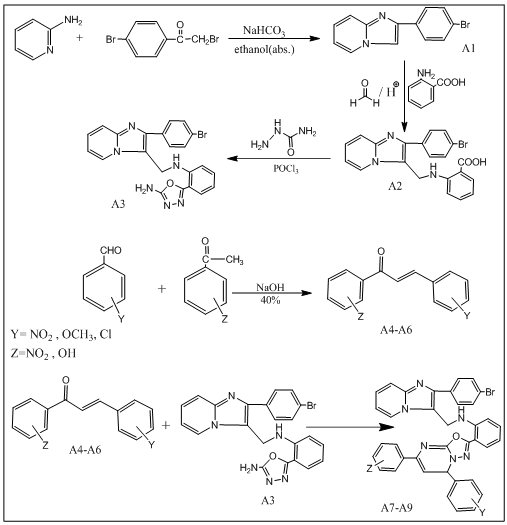
Abstract A new oxadiazole (3,2-a) pyrimidine connected to imidazopyridine was created in this investigation. The synthesis was accomplished in a series of steps, starting with the formation of 2-(4-bromophenyl) imidazo[1,2-a] pyridine (A1) by the reaction of 2-aminopyridine with 4-bromophenacyl bromide. The Mannich base (A2) was then created by reacting compound) A1( with 2-aminobenzoic acid in an acidic medium. The next step was to create 2-amino oxadiazole (A3) by ring-closing compound )A2 (with semicarbazide and POCl₃. The Oxadiozolo(3,2-a) Pyrimidine derivatives (A7-A9) were obtained by reacting the amino group derivative in compound)A3( with different chalcones in the last step. Additionally, green chemistry techniques without solvents were used to produce molecules (A2), (A3), and chalcone derivatives, with positive results. FT-IR spectroscopy, 1H-NMR, 13CNMR, and mass spectrometry were used to characterize the produced compounds. Additionally, the newly made compounds showed moderate antioxidant activity when tested, and several of them were also put through molecular docking tests.

Advances in transition-metal catalyzed vicinal (hydr)oxy-chlorination of styrene derivatives

Pages 564-575

https://doi.org/10.22034/crl.2025.521575.1589

Fardin Rezazadeh, Huseyn A. Imanov, Yunusov Obidjon Kodirovich, Xaldarov Nortoji, Uktam Ne'matov

Abstract The direct (hydr)oxy-chlorination reactions have emerged as a powerful tool to achieve phenacyl chlorides and 2-chloro-1-phenylethanols from easily accessible styrene derivative within a single click under benign conditions. Recent most instructive and reliable literature reports which deal with transition-metal catalyzed vicinal (hydr)oxy-chlorination of styrene derivatives, along with the precise mechanistic pathways are concisely reviewed.

A Potentiometric Sensor for Highly Selective and Sensitive Determination of Flurazepam in Pharmaceutical and Biological Samples Based on Molecularly Imprinted Polyaniline as the Ionophore

Pages 576-588

https://doi.org/10.22034/crl.2025.525653.1609

Zahra Jabarzadeh, Mohammad Reza Jalali Sarvestani, Simin Arabi, Mohammad Mahboubi-Rabbani, Shahin Ahmadi

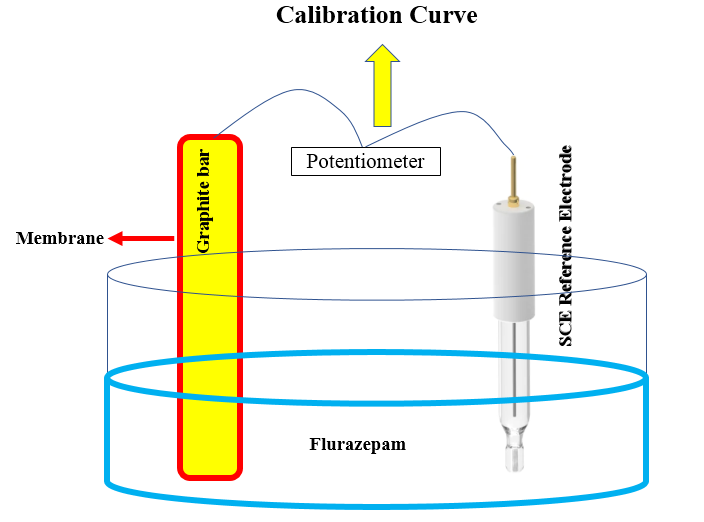
Abstract In this study, a molecularly imprinted polymer (MIP) specifically designed for flurazepam (FZM) was synthesized using polyaniline as the base material. This polymer was subsequently utilized as an ionophore in the fabrication of a potentiometric sensor aimed at the precise determination of FZM concentrations. The optimal sensor composition was determined to consist of 8% ionophore, 2% sodium tetraphenylborate (NaTPB), 30% polyvinyl chloride (PVC), and 60% dioctyl phthalate (DOP). This particular formulation yielded the highest Nernstian response, with a slope of 59.6 millivolts per decade. The developed sensor exhibited a broad linear detection range, spanning from 1.0×10⁻⁸ to 1.0×10⁻³ mol L⁻¹, and demonstrated an impressive detection limit as low as 7.0×10⁻⁹ mol L⁻¹. Furthermore, the sensor's operational pH range was determined to be between 3.0 and 8.0, ensuring functionality across varying conditions. The response time of the sensor was remarkably rapid, requiring only 5 seconds to stabilize, while its lifespan extended up to two months under optimal storage and usage conditions. To validate the practical utility of the proposed sensor, its performance was rigorously tested in both pharmaceutical formulations and biological samples. The results revealed %Recovery values within the range of 97.5% to 105.0%, signifying highly accurate and reliable performance in real-world applications. These findings underscore the effectiveness and potential applicability of the developed electrode for precise and efficient FZM determination in diverse sample matrices.

The development of chitosan-salicylic acid crosslinked tripolyphosphate as a pH-sensitive nanocarrier for doxorubicin controlled release

Pages 589-601

https://doi.org/10.22034/crl.2025.512140.1560

Ali Abbasi, Ladan Edjlali, Mirza agha Babazadeh, Elnaz Ghasemi, Gholamreza Mahdavinia

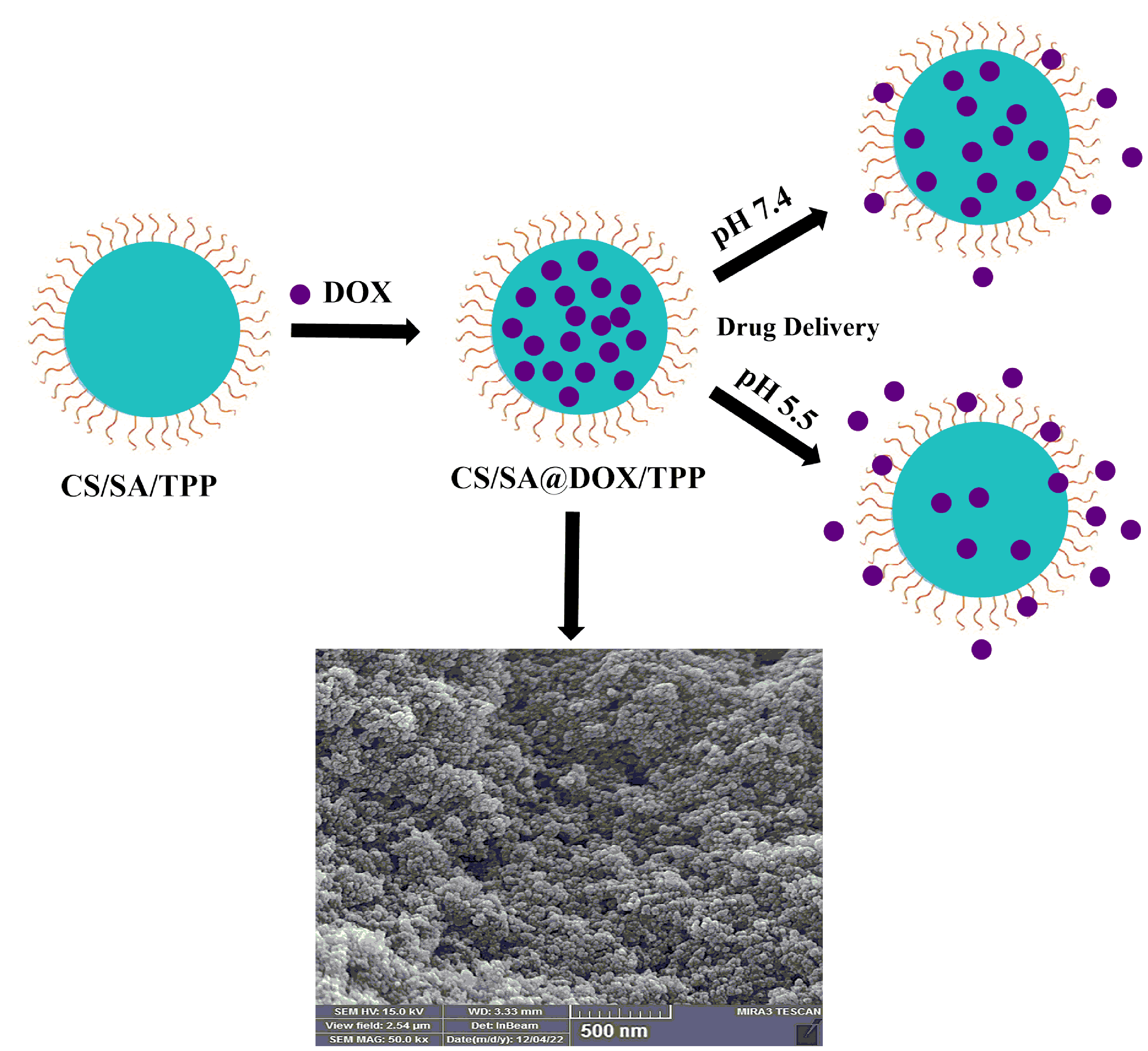
Abstract Researchers have focused a lot of attention in recent years on using chitosan-based nanocarriers for drug-controlled release to cancer cells. Therefore, in this work, tripolyphosphate (TPP)-crosslinked CS-salicylic acid nanocarriers (CS@SA-DOX-TPP) were created pH-sensitive nanocarriers for the controlled release of doxorubicin (DOX) to the cancer cell. The effective synthesis of nanocarriers is evaluated and validated through various techniques, including FT-IR, XRD, FE-SEM, TEM, DLS, and Zeta potential analysis. The encapsulation efficiency (EE %) of the CS@SA-DOX-TPP was found to be 84.9 %, respectively. The in vitro drug release analysis confirmed the controlled and pH-sensitive nature of drug release from the synthesized CS@SA-DOX-TPP. The Kosmeyer-Peppas model with Fickian diffusion effectively characterized the release mechanism of DOX. Furthermore, the biocompatibility and safety of the synthesized CS@SA-TPP and greater cytotoxic effects of CS@SA-DOX-TPP against MCF-7 breast cancer cells confirms by cellular cytotoxicity assy. The results obtained indicate that the developed CS@SA-DOX-TPP may serve as a biocompatible drug delivery system for cancer treatment.

Antioxidant, α-glucosidase inhibitory, and profiling metabolites on Different Parts of Mangrove Sonneratia x urama

Pages 602-611

https://doi.org/10.22034/crl.2025.523260.1600

Maria Dewi Astuti, Dewi Umaningrum, Rizki Fitria, Sri Suhartini, Riezki Amalia, Andi Masyitha Irwan, Mardi Santoso, Sri Fatmawati

Abstract Sonneratia (Lythraceae), a mangrove plant genus, is a source of metabolites and has been used in traditional medicine. This study investigated the phytochemical content, antioxidant, and α-glucosidase inhibitory activities of different plant parts of Sonneratia x urama extracts and profiled metabolites in the most active extract. The result showed that the fruit, root, and stem bark of S. x urama extract contained high phenolics. The highest total phenolic content (TPC) (460.77±1.71 mgGAE/g dry extract) and total flavonoid contents (TFC) (16.18±0.08 mgQE/g dry extract) were recorded in stem bark extract compared to other extracts. This extract also showed the highest antioxidant capacity based on DPPH, FRAP, and ABTS methods with 4838.31±7.77, 2586.95±3.23, and 1953.83±11.35 µmolTE/g dry extract, respectively. α-glucosidase inhibitory assay showed that the stembark of S. x urama has the highest activity with IC50 64.07±7.23 µg/mL. Furthermore, LC-MS/MS was used to profile the metabolites of the stem bark extract. Stem bark extract contained several putative compounds such as 3,4’-di-O-methyl ellagic acid, ellagic acid, hallactone B, luteolin 7-O-glucuronide, 3,4-dihydroxy mandelic acid, chelirubine, gallic acid, etc. These findings suggested that the stem bark, fruit, and root of S. x urama can be a potential source of antioxidant and antidiabetic agents.

Organometallic Nanoparticles: Catalysts for Sustainable Chemistry and Advanced Nanotechnology

Pages 612-627

https://doi.org/10.22034/crl.2025.504643.1536

Rebaz A OMER, Ahmad Sdiq, Aryan F Qader, Musher salih, Eman Abdulkareem, Hani Ismail, Rzgar Rashid, UDAY RAHEJA

Abstract Organometallic nanoparticles (NPs) have become invaluable materials across various industries due to their outstanding physicochemical properties, placing them at the forefront of nanotechnology research. This paper offers a thorough exploration of their essential roles in biology, materials science, and catalysis, emphasizing their unique applications and recent advancements in the field. These nanoparticles serve as highly efficient catalysts in numerous chemical reactions, facilitating key processes such as interatomic bonding, hydrogenation, and carbon-carbon (C–C) coupling. Their catalytic capabilities enhance reaction efficiency, reduce byproduct formation, and promote greener alternatives in chemical synthesis. By improving reaction outcomes and minimizing environmental impact, organometallic NPs align with the principles of sustainability and responsible chemical engineering. The ongoing growth of research in this area underscores the integration of scientific progress with considerations for environmental and human health. As researchers develop novel synthesis methods, optimize nanoparticle performance, and explore their applicability across multiple sectors, these advancements hold significant potential for tackling urgent global challenges. Further investigation of organometallic NPs is likely to stimulate innovative breakthroughs in nanotechnology, catalysis, and sustainable chemistry, paving the way for transformative applications in industry, medicine, and environmental remediation.

Synthesis, characterization and application as an efficient catalyst in Heck and Suzuki cross-coupling reactions of novel cyclometallated Pd(II) complex

Pages 628-638

https://doi.org/10.22034/crl.2025.496543.1510

Ziba Rezaei, Ali Naghipour, Ghobad Mansouri, Saeid Taghavi Fardood

Abstract In this study, a cyclopalladated complex [Pd(ppy)(phen-dione)]PF6, was prepared by the reaction between [Pd(ppy)(µ-Cl)]2,(ppy=2-phenylpyridinate) and 1,10-Phenanthroline-5,6-dione (Phen-dione) ligand. Then, this complex was characterized by 1H NMR, 13C NMR, FT-IR,and UV-vis spectroscopies and elemental analysis. Among the useful features of this complex are its thermally stable and not sensitive to air and humidity. The catalytic activity of the cyclopalladated compound was evaluated in catalytic activity in the Heck reaction of a variety of aryl halides with n-butylacrylate and the Suzuki–Miyaura cross-coupling reaction of aryl bromides with phenylboronic acid in bulk solution. The effect of solvent, base and catalyst loading on the coupling reactions is also described. The resulting coupled products were obtained in short reaction times, with low catalyst loads and in good to excellent yields.

Recent development on nanocomposites based on quantum dots and metal oxides for supercapacitor applications: A mini-review

Pages 639-658

https://doi.org/10.22034/crl.2024.481823.1441

Ahmad Ismael Saber, Hasan Khalid Dabis, Nahed Mahmood Ahmed Alsultany, Heba Muhammad Hussein Abdulwahab, Aseel Salah Mansoor, Nasr Saadoun Abd, Fariba Alimola

Abstract In this study, the supercapacitor performance of metal oxides and nanocomposites based on metal oxides and quantum dots to overcome the limitations of metal oxide electrode materials. By investigating the supercapacitor performance of nanocomposites based on metal oxide and quantum dots in three categories of carbon quantum dot, graphene quantum dot, and polymer dot, the performance of each quantum dot in improving the supercapacitor behavior of metal oxides was discussed. The results confirmed that the synergistic effect of quantum dots and metal oxides is improving the supercapacitor performance of nanocomposites. Also, the functional groups on the surface of the quantum dots accelerate the rate of penetration of ions. The results of this study confirmed that polymer dots have better performance among quantum dots with polymer properties and quantum dots properties at the same time which provides research opportunities for researchers in the field of supercapacitors.